Residential compounds and gated communities have become increasingly popular in Egypt, offering residents a sense of security, privacy, and community. From upscale developments in New Cairo and Sheikh Zayed to coastal retreats in Hurghada, these enclaves provide modern amenities but also face unique security challenges. With rising urbanization and occasional security concerns, implementing effective protection measures is essential. This comprehensive guide provides practical, up-to-date tips tailored to the Egyptian context as of 2025, drawing from industry best practices, local regulations, and technological advancements. Whether you're a resident, property manager, or developer, these strategies can help create safer living environments while maintaining the lifestyle benefits of compound living.
In Egypt, gated communities house millions, with new projects emphasizing security as a key selling point. However, common vulnerabilities like inadequate perimeter controls or resident complacency can undermine safety. By addressing these proactively, compounds can reduce risks of theft, unauthorized access, and other incidents, fostering peace of mind for families and individuals.
1. Understanding Security Risks in Egyptian Residential Compounds
Before implementing solutions, assess specific threats. In urban areas like Cairo, risks include burglary and vehicle theft, while coastal compounds may face seasonal intrusions. Factors like proximity to main roads or construction sites increase vulnerabilities.
Conduct regular risk audits, considering local crime statistics from the Ministry of Interior. Involve residents through surveys to identify concerns like poorly lit areas or gate malfunctions. Professional consultations can reveal hidden risks, ensuring tailored security plans.
Key Risk Factors:
- Geographic location: Urban vs. remote compounds.
- Resident demographics: Families with children require child-safety focus.
- Seasonal variations: Higher risks during holidays or low occupancy periods.
- Infrastructure age: Older compounds may need upgrades.
- External threats: Proximity to high-traffic areas or undeveloped land.
2. Strengthening Entrance and Gate Security
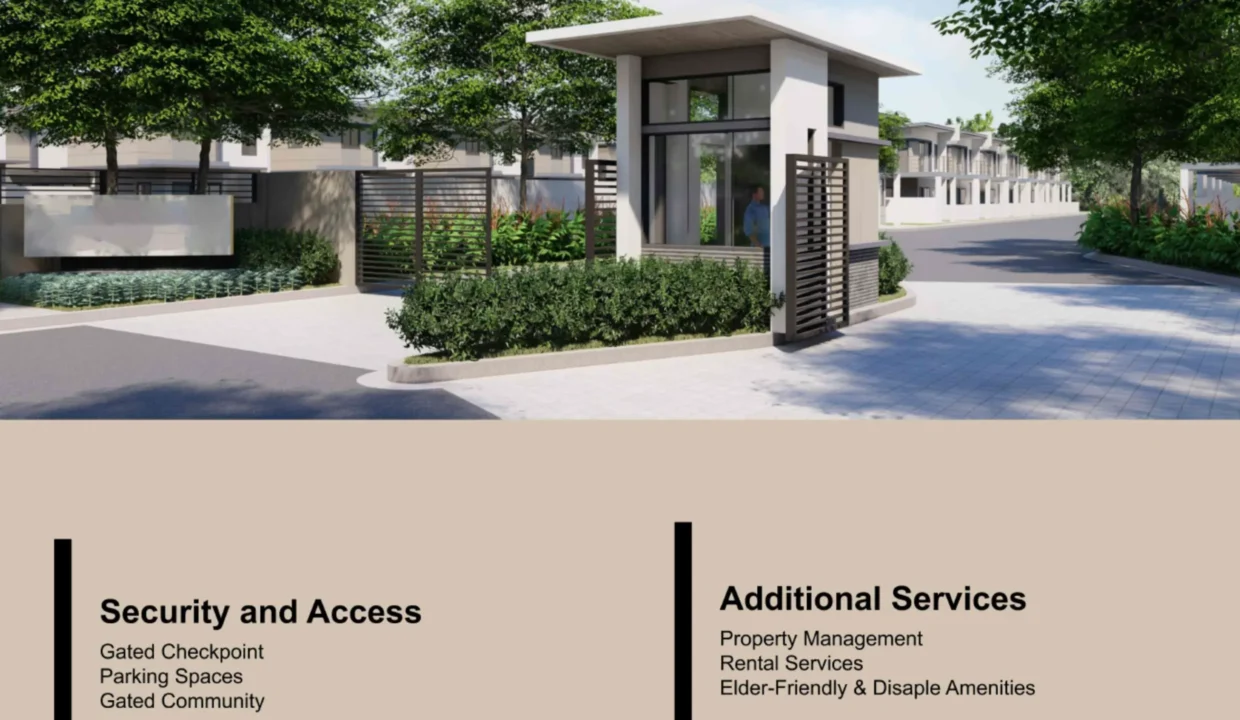
The main gate is the first line of defense. Automated systems with RFID access for residents and visitor pre-registration enhance control while minimizing delays.
Best Practices for Gates:
- Install boom barriers with anti-tailgating sensors.
- Use biometric or app-based entry for residents.
- Implement visitor management systems with ID verification.
- Backup power generators to prevent failures during outages.
- Regular maintenance to avoid mechanical issues.
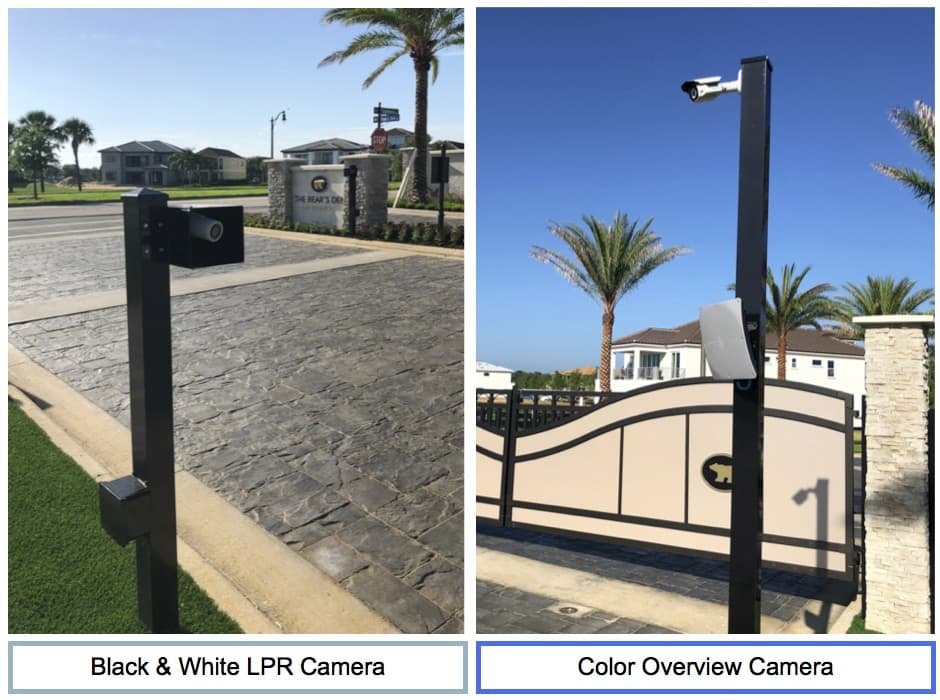
In compounds like those in Hurghada, combining gates with license plate recognition adds an extra layer of automation and security.
3. Enhancing Perimeter Protection
A secure perimeter deters intruders. High walls or fences with anti-climb features are standard, but integration with sensors elevates protection.
Perimeter Strategies:
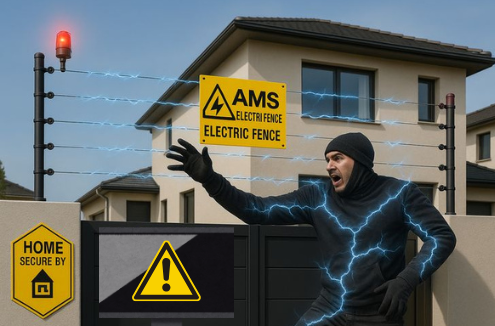
- Electric fencing compliant with Egyptian safety standards.
- Motion-activated alarms along walls.
- Vegetation management to eliminate hiding spots.
- Patrol routes covering the entire boundary.
- Integration with CCTV for real-time monitoring.
4. Implementing Advanced Surveillance Systems
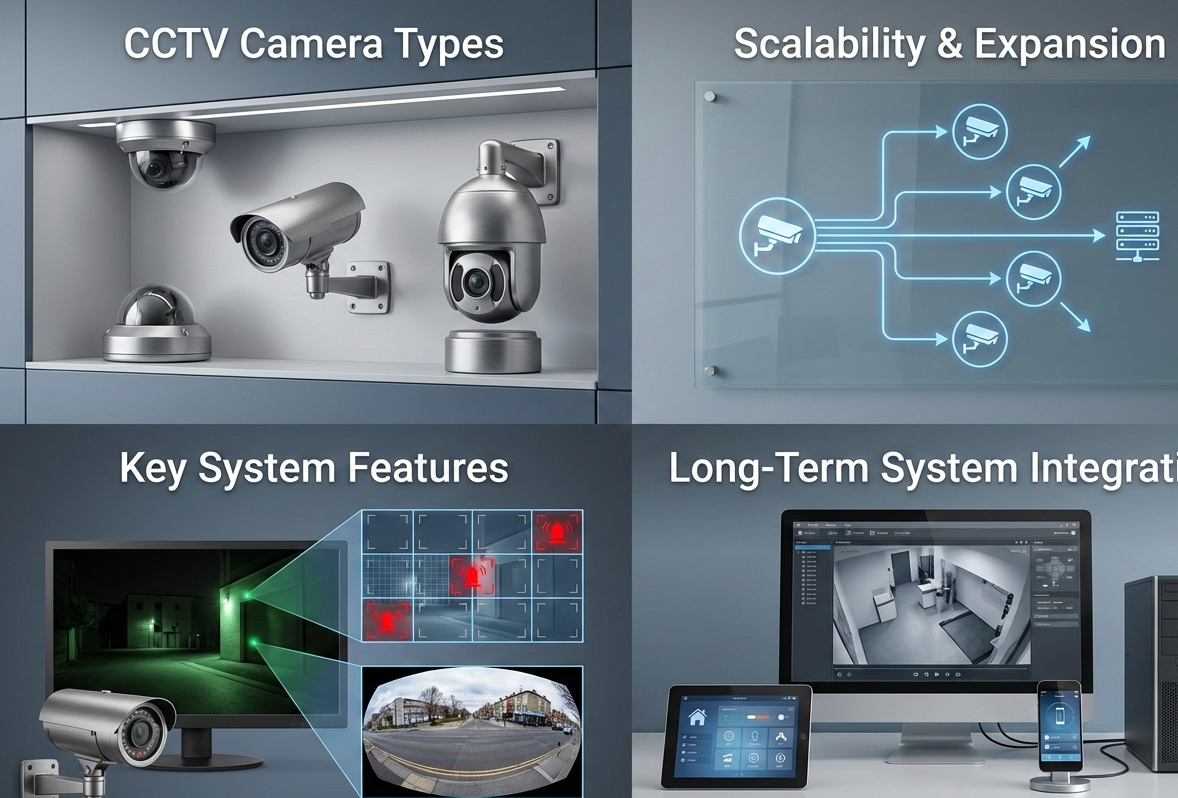
CCTV remains crucial, with 2025 advancements including AI analytics for proactive threat detection.
Place cameras at gates, common areas, and perimeters. Opt for 4K resolution with night vision to handle Egypt's varying light conditions.
Surveillance Tips:
- AI for facial recognition and anomaly detection.
- Mobile app access for residents.
- Regular footage review and storage compliance.
- Integration with alarm systems.
5. Optimizing Security Personnel and Patrols
Trained guards provide visible deterrence and rapid response.

Personnel Best Practices:
- 24/7 staffing with shift overlaps.
- Mobile patrols using vehicles or e-bikes.
- Training in emergency response and resident interaction.
- Body cameras for accountability.
- Hybrid models with remote monitoring in 2025.
6. Improving Lighting and Visibility
Proper illumination deters crime and aids surveillance.
Lighting Recommendations:
- LED floodlights with motion sensors.
- Pathway and parking lot coverage.
- Solar-powered options for remote areas.
- Avoid dark spots around amenities.
7. Fostering Community Involvement and Awareness
Engaged residents are key to effective security.
Organize workshops, distribute guidelines, and encourage reporting via apps. This builds a culture of vigilance.
8. Common Security Mistakes to Avoid
Learn from frequent errors in gated communities.
Top Mistakes:
- Unsecured entries without ID checks.
- Gaps in guard shifts.
- Inadequate lighting.
- Lack of resident education.
- Neglecting perimeter patrols.
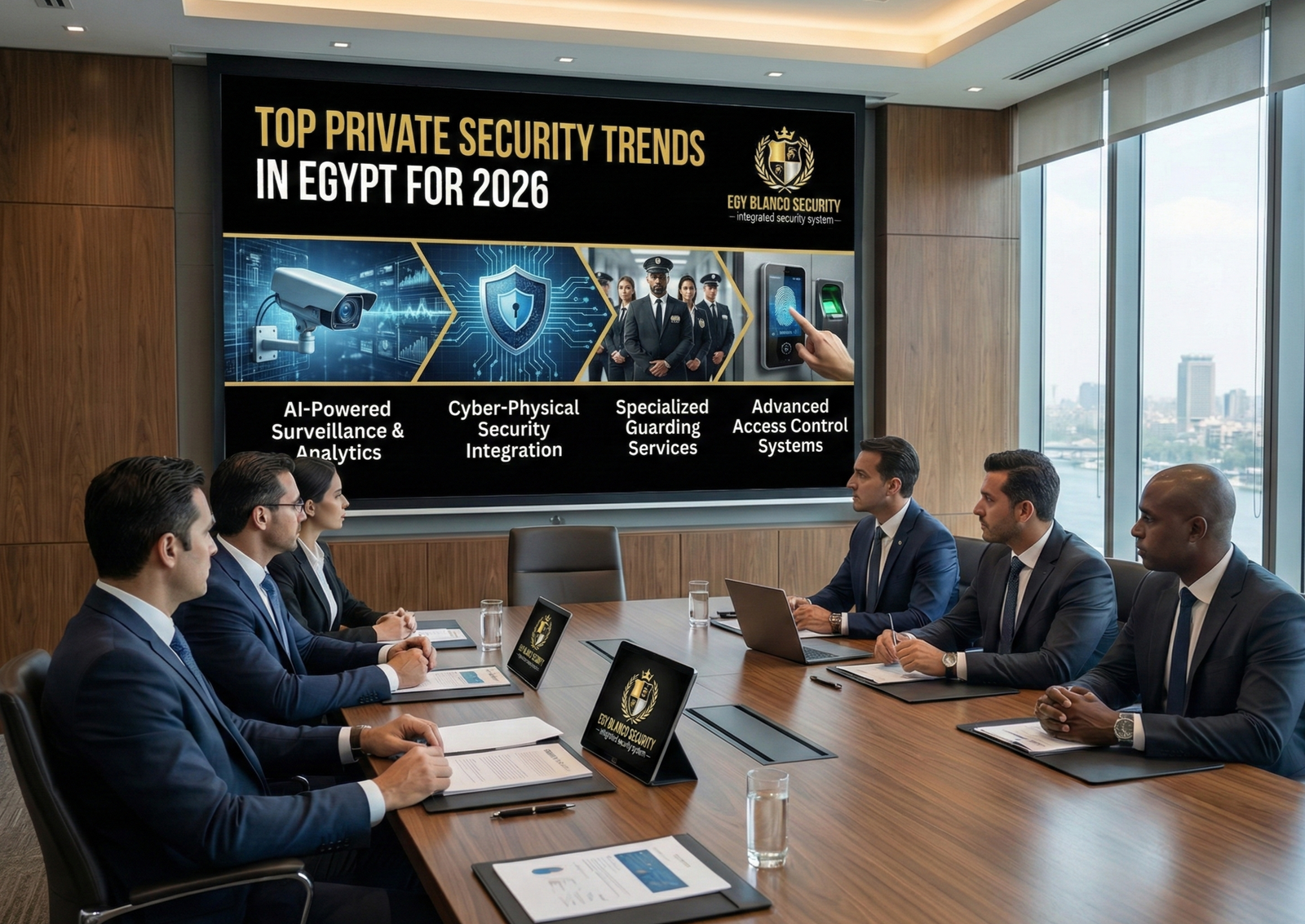
9. Leveraging Advanced Technologies in 2025
Embrace innovations for superior protection.
- AI surveillance for anomaly detection.
- Smart access with biometrics.
- Integrated ecosystems with cloud monitoring.
- Drones for aerial patrols in large compounds.
Conclusion: Building Safer Communities
Securing residential compounds requires a multi-layered approach combining technology, personnel, and community effort. By implementing these tips, Egyptian gated communities can enhance safety while preserving their appealing lifestyle.
At EGY Blanco for Security, we specialize in comprehensive residential security solutions.
Quick Security Checklist for Compounds:
- Secure gates with verification systems
- Robust perimeter defenses
- Comprehensive CCTV coverage
- Trained security personnel
- Adequate lighting
- Resident awareness programs
Contact us for a customized security assessment for your compound.