Loading...
Architectural Vision

Security as One Intelligent System

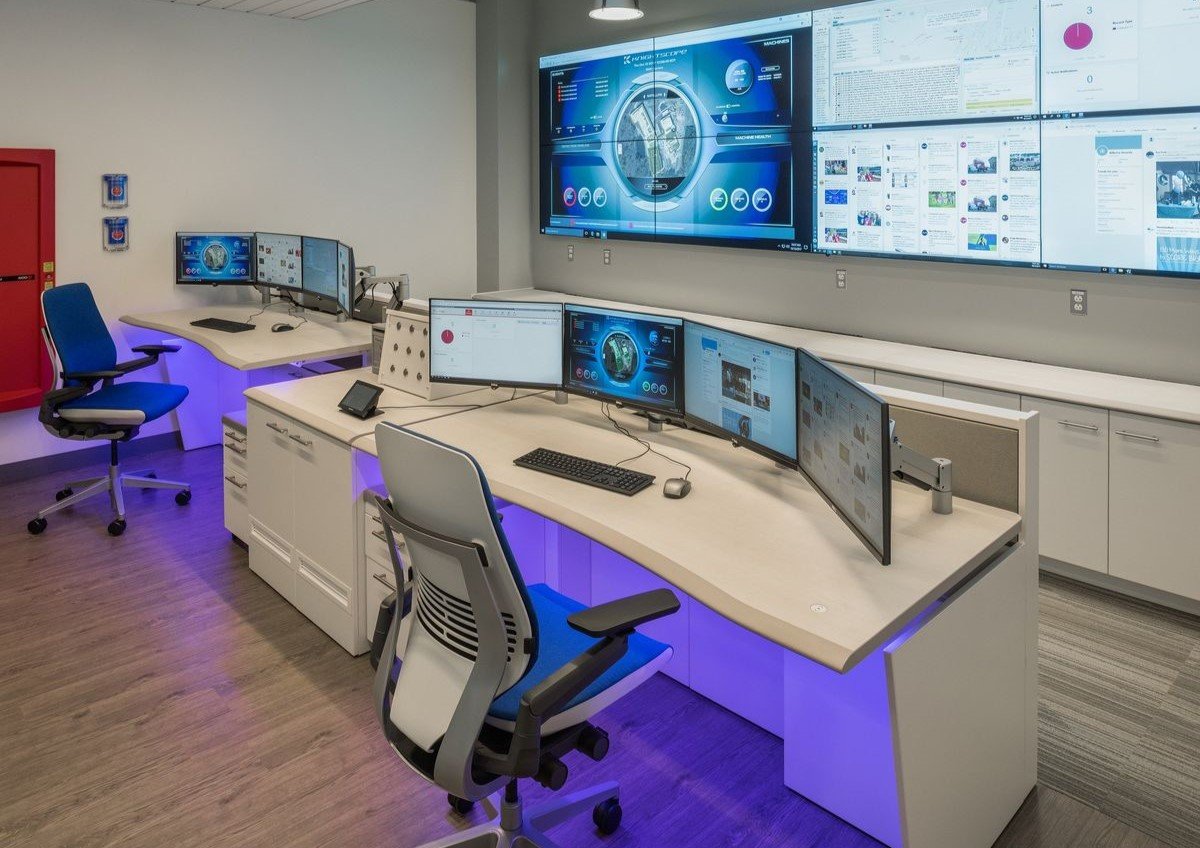
An integrated security system transforms disparate components into a unified ecosystem where information flows seamlessly and decisions are informed by complete situational context.

Isolated subsystems create gaps in visibility and delayed response. True integration eliminates silos, enabling correlated intelligence that anticipates and neutralizes threats across the entire protected environment.

This architectural approach delivers strategic advantage through centralized command, automated workflows, and scalable governance—establishing security as an enabling function rather than a collection of independent tools.
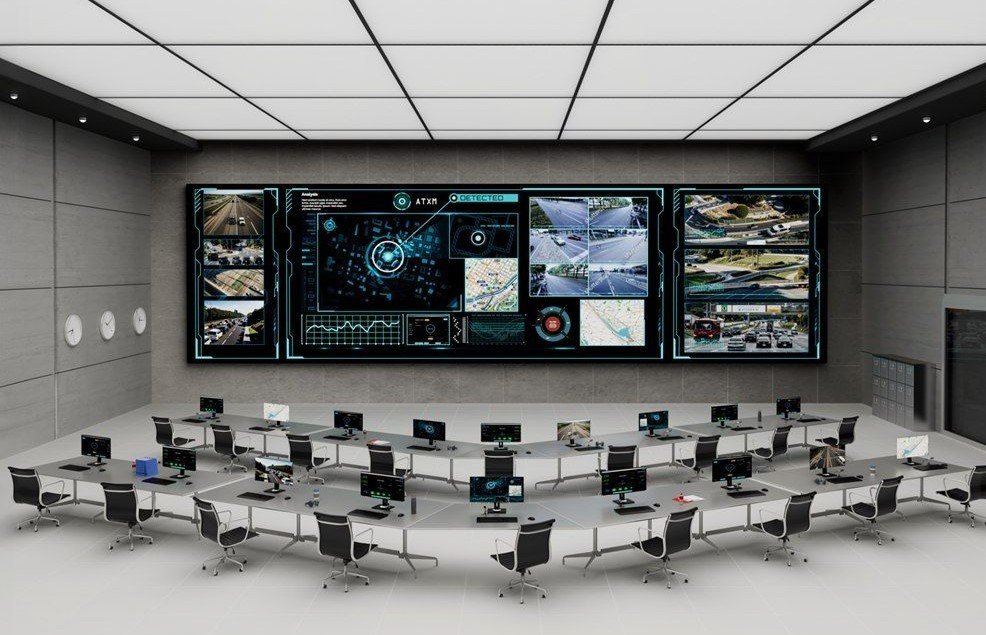
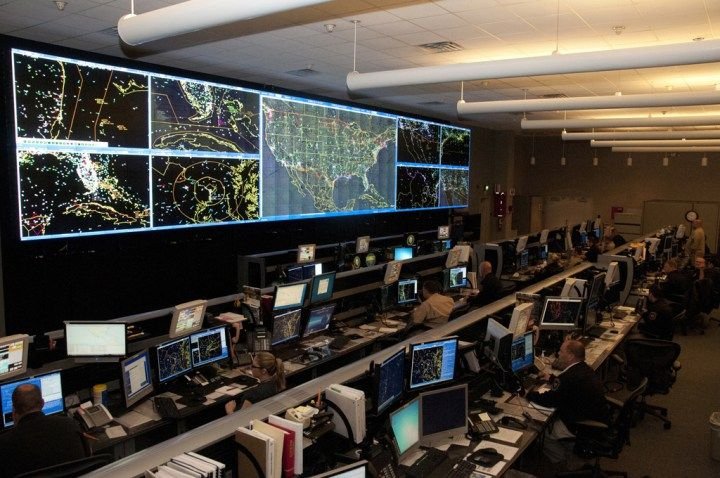
Integrated Security Command Center
System Layers

Core Integrated Layers

Detection Layer

Sensors and alarms continuously feed verified events into the central intelligence engine for correlation.

Verification Layer

CCTV and analytics provide visual and contextual confirmation, eliminating false positives before action.

Control Layer

Access systems enforce dynamic restrictions and containment based on real-time threat assessment.

Response Layer

Automated protocols and guided operator actions ensure rapid, coordinated mitigation across all subsystems.

Unified Security Dashboard
Operational Intelligence

Centralized Command & Control

Unified dashboards present correlated events from all subsystems in a single, intuitive interface, enabling operators to maintain complete situational awareness.

Real-time event correlation identifies patterns and relationships across detection sources that isolated systems would miss.

Comprehensive audit trails and system visibility support governance, compliance reporting, and continuous architectural refinement.

Decision support tools guide operators through predefined protocols while preserving human oversight for complex scenarios.

Automated Workflows

Automation & Scenario-Based Response

Predefined Scenarios

Configurable response plans activate automatically based on verified threat profiles and severity levels.

System Reactions

Coordinated actions across access control, alarms, and communications execute without manual intervention.

Escalation Chains

Progressive notification and authority involvement ensure appropriate resource allocation.

Human Oversight

Operators retain final authority for non-standard situations, supported by complete contextual data.

Coverage Areas

Integrated Security System Coverage Across Egypt

Integrated Security Systems in Cairo

Cairo’s large-scale facilities require unified control over multiple security layers. Our integrated security systems in Cairo connect access control, CCTV surveillance, and alarm platforms into a single management interface, enabling centralized monitoring, coordinated response, and streamlined security operations.

Integrated Security Systems in Giza

Sites in Giza often span wide areas and require synchronized security oversight. Our integrated security solutions in Giza focus on system interoperability, real-time data sharing, and unified dashboards that improve situational awareness and operational decision-making.

Integrated Security Systems in Alexandria

Alexandria’s commercial and infrastructure environments benefit from centralized security control. Our integrated security systems in Alexandria are designed to unify monitoring, alert coordination, and system management, ensuring consistent protection across complex and multi-functional facilities.

Modular architecture allows seamless addition of new technologies and expansion across multiple sites without system redesign.

Standardized interfaces and protocols ensure long-term compatibility and future-proof investment protection.

Centralized management enables unified policy enforcement and monitoring from a single command structure.

Scalable design supports growth from single facilities to enterprise-wide or multi-location deployments.

Integrated Security System Architecture
Complex Deployments

Environments Best Suited for Integrated Systems

Corporate Headquarters

Multi-building campuses requiring unified oversight and policy consistency.

Airports & Transportation Hubs

High-complexity environments with layered zones and regulatory coordination.

Industrial Complexes

Large-scale sites combining process security with personnel protection.

Campuses & Smart Cities

Distributed facilities benefiting from centralized intelligence and automation.

High-Risk Facilities

Critical infrastructure demanding coordinated, multi-layered defense strategies.

Architectural Advantages

Strategic Benefits of Integration

Reduced Human Error

Automation and correlation minimize reliance on manual interpretation of isolated events.

Faster Decisions

Complete context enables accurate, timely response without information gaps.

Operational Efficiency

Streamlined workflows and centralized management optimize resource allocation.

Cost Optimization

Long-term reduction in operational overhead through scalable, unified architecture.

Unified Architecture

Design an Integrated Security Framework

Build a cohesive, intelligent security ecosystem that orchestrates detection, verification, control, and response as a single strategic asset.

Request Integration Consultation